Resurrection: definition
The Resurrection is the event by which Jesus Christ, who died on the cross and was laid in the tomb, came back to life on the third day, in a glorious body that dies no more. It is the heart of the Christian faith, celebrated at Easter, and the promise of the resurrection of all the dead at the end of time.
On the third day
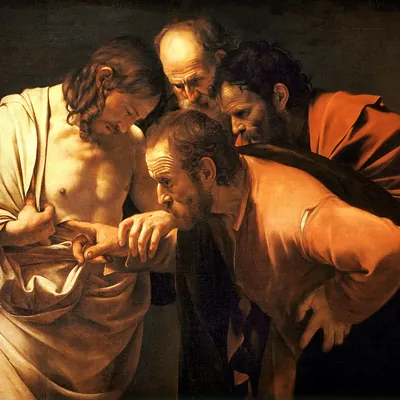
The Gospels recount that on the morning of the first day of the week, women who came to the tomb found it empty. Mary Magdalene is the first to meet the Risen One, who sends her to announce it to the disciples. Jesus then appears to the apostles several times. Saint Thomas, at first unbelieving, ends up exclaiming: "My Lord and my God!"
This testimony is the foundation of everything else. Saint Paul writes it plainly: "If Christ has not been raised, then empty is our preaching; empty, too, your faith" (1 Corinthians 15:14). That is why Easter is the greatest feast of the year, and every Sunday commemorates it.
More than a return to life
The Resurrection of Christ is not a mere resuscitation. When Jesus calls his friend Lazarus back to life, Lazarus returns to his earthly life and will have to die again. The risen Christ, on the other hand, enters a new life: his body is indeed the same, it bears the marks of the nails, but it is no longer subject to death or to the limits of space.
The resurrection of the body
The Creed ends with the hope of "the resurrection of the body" and "life everlasting." At death, the soul is separated from the body; at the end of time, at the Last Judgment, the dead will rise with their own bodies, transformed. Christians therefore do not believe merely in the survival of the soul: they believe that God saves the whole person.
That is why the Church surrounds the bodies of the departed with respect, recommends burial and venerates the relics of the saints, which are also destined for glory.
Saints to know
-
 July 22
Saint Mary Magdalene
disciple of Jesus, first witness of his Resurrection, "Apostle to the Apostles"
The first witness of the Risen Lord, sent to announce the news to the apostles.
-
 July 3
Saint Thomas the Apostle
one of the twelve apostles, called Didymus, witness of the Resurrection and apostle of India according to tradition
He touches the wounds of the Risen Lord and confesses his divinity.
-
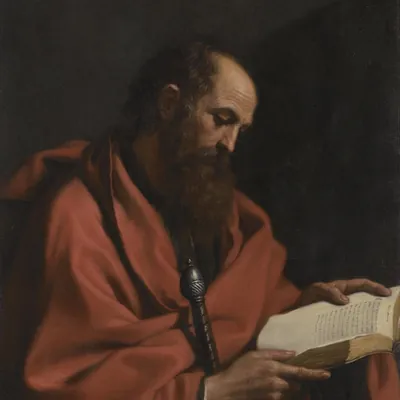 June 29
Saint Paul the Apostle
Apostle to the Gentiles, converted on the road to Damascus, author of New Testament letters
He saw the risen Christ on the road to Damascus and made it the heart of his preaching.
-
 July 29
Saint Lazarus of Bethany
brother of Martha and Mary, friend of Jesus, who raised him to life at Bethany
Called back to life by Jesus, he announces the Resurrection without being confused with it.
Frequently asked questions
What is the difference between the Resurrection and the Ascension?
The Resurrection is Christ's return to life on Easter morning. The Ascension, forty days later, is the moment when he leaves the sight of his disciples to enter the glory of the Father.
Can you be a Christian without believing in the Resurrection?
No: it is the heart of the faith, proclaimed in the Creed. Without it, says Saint Paul, Christian faith would be empty.
What will become of our bodies at the resurrection?
It will be our own body, but transformed and glorious, like that of the risen Christ. The Church acknowledges that the how surpasses our imagination.