Providence: definition
Providence is the wisdom and love with which God cares for his creation and guides it toward its fulfillment. To believe in Providence is to believe that nothing escapes God and that he can draw good even out of evil, without taking away human freedom.
God takes care
The word comes from the Latin providentia, which means both to foresee and to provide. The Catechism calls Providence "the dispositions by which God guides his creation" toward its perfection. God does not create the world only to abandon it afterward: he sustains it at every moment.
Jesus speaks of it in very simple words: "Look at the birds of the air: they neither sow nor reap nor gather into barns, and yet your heavenly Father feeds them" (Matthew 6:26). He invites us to seek first the kingdom of God, without worrying about tomorrow. This is what we ask for in the Our Father: "Give us this day our daily bread."
And evil?
Believing in Providence does not mean that everything that happens is willed by God. God permits evil, because he respects human freedom, but he does not will it, and he is able to draw good from it. In Genesis, Joseph, sold by his brothers, tells them in the end that God used for good the evil they had intended. Saint Paul writes: "We know that in everything God works for good with those who love him."
The greatest proof of this is the cross: from the worst crime in history, God brought forth the salvation of the world.
Saints of Providence
Saint Cajetan of Thiene, in the 16th century, asked his religious to live without fixed income, relying on Providence. In Turin, Saint Joseph Benedict Cottolengo founded in 1832 the Little House of Divine Providence, which takes in the sick and the poor without keeping accounts for the future. Saint Joseph, who watched over Jesus and Mary, is often presented as the image of God's Providence over the Holy Family.
Saints to know
-
 August 7
Saint Cajetan
Renaissance priest, founder of the Theatines, patron saint of the unemployed and job seekers
Nicknamed the saint of Providence, he refused guaranteed income.
-
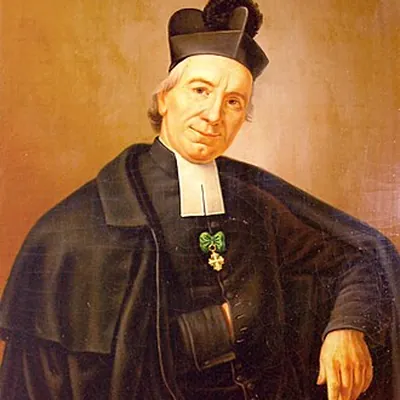 April 30
Saint Joseph Benedict Cottolengo
priest from Piedmont, founder in Turin of the Little House of Divine Providence for the most neglected sick and disabled people
Founder of the Little House of Divine Providence in Turin.
-
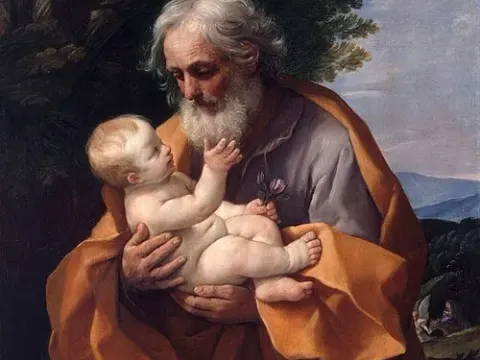 March 19
Saint Joseph
husband of the Virgin Mary, foster father of Jesus and patron of the universal Church
Guardian of the Holy Family, image of God's Providence.
Frequently asked questions
What is the difference between Providence and fate?
Fate is a blind and impersonal force. Providence is the love of a personal God who guides the world with wisdom, while respecting human freedom.
If God foresees everything, are we free?
Yes. God knows everything in his eternity, but he does not force us: he makes us his co-workers, free and responsible.
What does "abandoning oneself to Providence" mean?
It means trusting God in the events of life, doing one's own part seriously and leaving the rest in his hands, without anxiety.