Cardinal virtues: definition
The cardinal virtues are prudence, justice, fortitude and temperance. They are called cardinal, from the Latin cardo, hinge, because all the other moral virtues hinge on them. They govern human action according to reason and faith.
Four hinges of the moral life
A virtue is a habitual and firm disposition to do good. The Greek philosophers, Plato in particular, had already distinguished these four principal virtues. The Bible takes them up in the Book of Wisdom: wisdom "teaches moderation and prudence, justice and fortitude" (Wisdom 8:7). The Fathers of the Church, with Saint Ambrose among the first, called them cardinal.
Saint Thomas Aquinas, in his Summa Theologiae, made them the framework of the whole Christian moral life, animated by the theological virtues.
Each one in a sentence
Prudence disposes us to discern, in every situation, the true good and the right means of achieving it; the Catechism calls it "the charioteer of the virtues," because it guides the others. Justice consists in giving God and neighbor what is due to them. Fortitude ensures firmness in difficulties and constancy in the pursuit of the good, even to the point of facing the fear of death. Temperance moderates the attraction of pleasures and provides balance in the use of created goods.
These virtues are acquired through education, repeated acts and perseverance, and grace purifies and elevates them.
Saints for each one
Saint Louis, dispensing justice under an oak tree at Vincennes, has remained a model of a just king. Saint Thomas More showed fortitude to the point of martyrdom rather than betray his conscience. To be canonized, a Christian must have practiced these virtues, like the theological virtues, to a heroic degree: these are the heroic virtues examined in the inquiry.
Saints to know
-
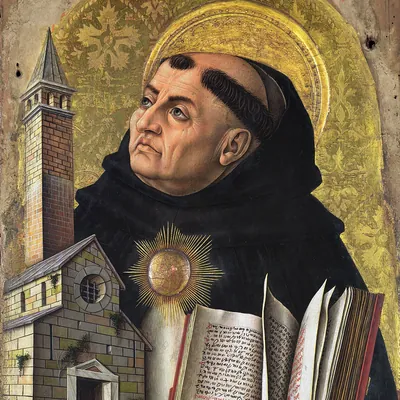 January 28
Saint Thomas Aquinas
Dominican friar, theologian and philosopher, Doctor of the Church, author of the Summa Theologiae
He made the cardinal virtues the framework of his moral theology.
-
 December 7
Saint Ambrose of Milan
fourth-century Bishop of Milan, Father and Doctor of the Church, hymn writer and teacher of Saint Augustine
One of the first Fathers to speak of "cardinal" virtues.
-
 August 25
Saint Louis IX
King of France from 1226 to 1270, model of the Christian ruler
A model of a just king, dispensing justice under the oak of Vincennes.
-
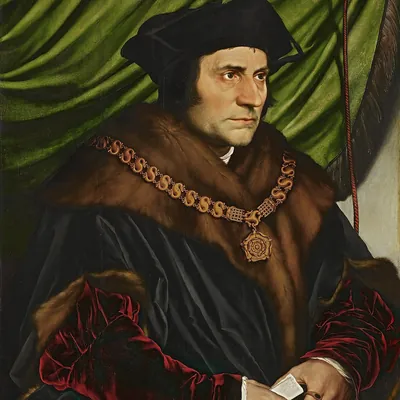 June 22
Saint Thomas More
English humanist, Lord Chancellor to Henry VIII, martyr of conscience
An example of fortitude and prudence, faithful to his conscience to the point of martyrdom.
Frequently asked questions
Why are they called "cardinal"?
From the Latin cardo, the hinge of a door: all the other moral virtues turn on them. The word has nothing to do with the cardinals of the Church, apart from sharing the same root.
How many cardinal virtues are there?
Four: prudence, justice, fortitude and temperance.
What is the difference between the cardinal and the theological virtues?
The cardinal virtues govern human action and can be acquired through effort. The theological virtues (faith, hope, charity) have God as their object and are a gift received at baptism.