Exorcism: definition
An exorcism is a prayer by which the Church asks publicly and with authority, in the name of Jesus Christ, that a person or object be protected against the power of the devil and withdrawn from his dominion. Solemn exorcism, or major exorcism, is reserved to a priest authorized by his bishop.
In the name of Jesus
The word comes from the Greek exorkizein, to adjure, to command solemnly. In the Gospel, Jesus drives out evil spirits with authority, and he gives this power to his apostles. These deliverances are signs that the kingdom of God has come and that evil is defeated.
The Church continues this mission. The Catechism distinguishes simple exorcism, a prayer that is part of the rite of Baptism, from solemn exorcism, which aims to expel the devil from a person believed to be possessed. The current rite was published in 1999.
Great caution
Only a priest who has received special and express permission from the bishop may perform a major exorcism. Many dioceses appoint an exorcist priest, who first meets people to listen to them and guide them.
The Catechism asks that, before any exorcism, one make sure that it is truly a matter of the presence of the Evil One and not of an illness, especially a psychological one, which falls under medical care. The vast majority of requests find their answer in listening, prayer, the sacraments and appropriate accompaniment.
The spiritual combat of the saints
The saints took the fight against evil seriously, without fear and without fascination. Saint John Vianney suffered harassment from the devil, whom he called "the grappin" (the pitchfork), and saw it as a sign that a great conversion was coming. The Saint Benedict medal bears the initials of a Latin formula that repels Satan. Saint Michael is also invoked in this combat, and every Our Father ends with "deliver us from evil."
Saints to know
-
 September 29
Saint Michael the Archangel
archangel, leader of the heavenly host, invoked in the battle against evil
Victor over the devil, invoked in spiritual combat.
-
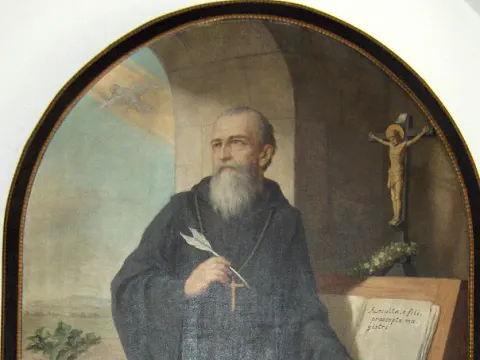 July 11
Saint Benedict of Nursia
father of Western monasticism, author of the Benedictine Rule and patron saint of Europe
His medal, very widespread, is a sign of protection against the Evil One.
-
 August 4
Saint John Vianney, the Curé of Ars
parish priest of Ars from 1818 to 1859, tireless confessor and patron saint of parish priests
The Curé of Ars endured for years the harassment of the "grappin."
Frequently asked questions
Can a priest perform an exorcism without permission?
Not a major exorcism: it requires express permission from the bishop. Any priest, however, may bless a person and pray for their deliverance.
Can a layperson perform an exorcism?
No. A layperson can pray to be delivered from evil and call on the name of Jesus, but exorcism properly so called is an act of the Church reserved to a priest with a mandate.
What is the difference between exorcism and a prayer of deliverance?
Exorcism is an official rite carried out in the name of the Church by an authorized priest. A prayer of deliverance is a simple prayer, which any believer can say, asking God for protection from evil.