Mercy: definition
Mercy is God's love bending down to human misery to forgive, console and lift up. It is also the virtue by which Christians, in the image of God, have compassion for the distress of others and come to their aid through the works of mercy.
A heart for the miserable
The Latin word misericordia joins miseria, misery, and cor, heart: to have a heart open to the misery of others. In Hebrew, one of the words used evokes the womb, a mother's inmost being: God's mercy is a love that takes hold of him in his depths, like a mother's love for her child.
Jesus reveals it above all through his parables, especially that of the prodigal son, where the father runs out to meet his returning son. He proclaims in the Beatitudes: "Blessed are the merciful, for they shall obtain mercy." At every Mass, we ask for it by saying "Lord, have mercy," in Greek Kyrie eleison.
The works of mercy
Christian tradition names fourteen works of mercy. The corporal works are to feed the hungry, give drink to the thirsty, clothe the naked, shelter the stranger, visit the sick and the imprisoned, and bury the dead. The spiritual works are to counsel the doubtful, instruct the ignorant, admonish sinners, comfort the sorrowful, forgive offenses, bear wrongs patiently and pray for the living and the dead.
They put into practice the words of Jesus at the Last Judgment: "As you did it to one of the least of these my brethren, you did it to me."
Divine Mercy
In the 1930s, in Poland, Saint Faustina Kowalska received from Christ the mission of making his mercy known: she had the image painted bearing the inscription "Jesus, I trust in you" and spread the Chaplet of Divine Mercy. Saint John Paul II canonized her in 2000 and instituted Divine Mercy Sunday, the Sunday after Easter. In 2015-2016, Pope Francis opened an Extraordinary Jubilee of Mercy.
Saints to know
-
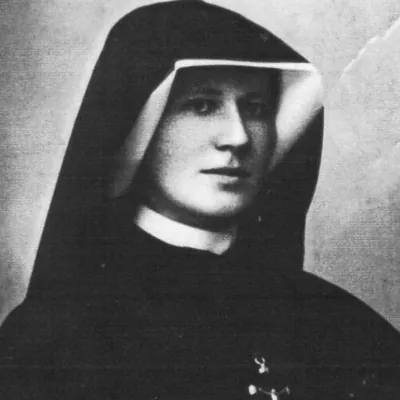 October 5
Saint Faustina Kowalska
Polish nun, messenger of Divine Mercy
Messenger of Divine Mercy, at the origin of the "Jesus, I trust in you" image.
-
 October 22
Saint John Paul II
Karol Wojtyła, pope from 1978 to 2005, the first Polish pope in history
He instituted Divine Mercy Sunday and devoted an encyclical to mercy.
-
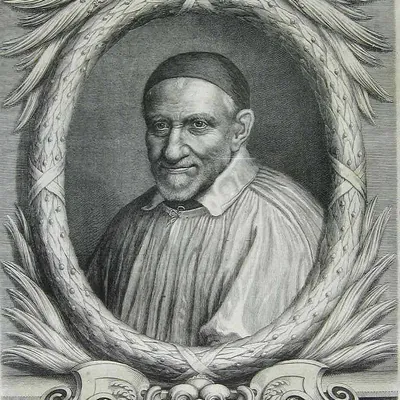 September 27
Saint Vincent de Paul
French priest, apostle of charity, founder of the Vincentians and the Daughters of Charity
He organized charity for the poor, the sick and abandoned children.
-
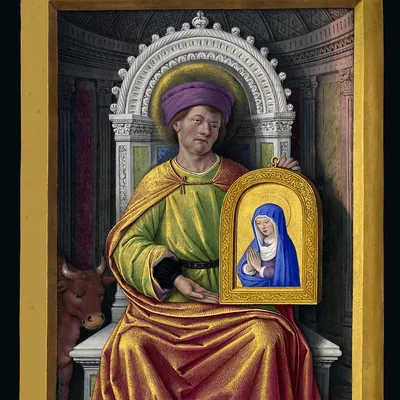 October 18
Saint Luke the Evangelist
physician and companion of Saint Paul, author of the third Gospel and of the Acts of the Apostles, patron saint of physicians and artists
His Gospel records the great parables of mercy.
Frequently asked questions
What is the difference between mercy and forgiveness?
Forgiveness is a specific act: pardoning a fault. Mercy is broader: it is the love that bends down to every misery, whether sin, suffering or poverty.
How many works of mercy are there?
Fourteen: seven corporal works and seven spiritual works.
When is Divine Mercy Sunday?
It is the Second Sunday of Easter, one week after Easter Day, instituted by John Paul II in 2000.