Immaculate Conception: definition
The Immaculate Conception is the dogma that the Virgin Mary was preserved from original sin from the first instant of her existence, in her mother's womb. Proclaimed by Pope Pius IX in 1854, it is celebrated on December 8. It concerns not the conception of Jesus, but that of Mary.
What the dogma says
On December 8, 1854, Pope Pius IX defined that "the most Blessed Virgin Mary, in the first instance of her conception, by a singular grace and privilege granted by Almighty God, in view of the merits of Jesus Christ, the Savior of the human race, was preserved free from all stain of original sin." It is a dogma: every Catholic is invited to believe it as a revealed truth.
Mary was conceived in the natural way by her parents, whom tradition names Joachim and Anne. What is unique is that God kept her from the wound of original sin, in advance, thanks to the Christ she would carry. So Mary too was saved by her Son, but in a more beautiful way: preserved rather than lifted up. The angel greets her as "full of grace."
A very common confusion
Many people think that the Immaculate Conception refers to the fact that Jesus was conceived without a human father. This is a mistake. The virginal conception of Jesus, by the action of the Holy Spirit, is celebrated at the Annunciation, on March 25. The Immaculate Conception concerns Mary, at the moment when she herself was conceived, years earlier. Just count: December 8 comes nine months before the feast of the Nativity of Mary, on September 8.
Lourdes, the Rue du Bac and the feast of December 8
Even before the proclamation, the devotion was very widespread. In 1830, in Paris, Saint Catherine Labouré received the Miraculous Medal, which bears the invocation: "O Mary, conceived without sin, pray for us who have recourse to thee." In 1858, at Lourdes, the Lady who appeared to Saint Bernadette introduced herself in the local dialect: "Que soy era Immaculada Councepciou," "I am the Immaculate Conception."
The feast of the Immaculate Conception, on December 8, is a solemnity that falls during Advent. In the 20th century, Saint Maximilian Kolbe would base his whole missionary work on consecration to the Immaculata.
Saints to know
-
 April 16
Saint Bernadette Soubirous
visionary of the Lourdes apparitions in 1858, later a Sister of Charity of Nevers
At Lourdes, the Virgin revealed her name to her: "I am the Immaculate Conception."
-
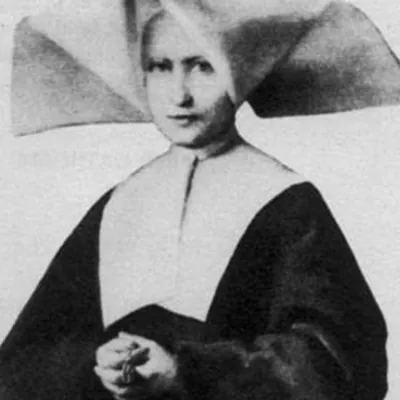 November 28
Saint Catherine Labouré
Daughter of Charity, visionary of the Rue du Bac apparitions and messenger of the Miraculous Medal
In 1830 she received the medal bearing the invocation "O Mary, conceived without sin."
-
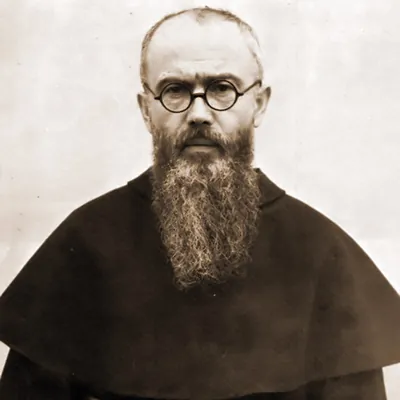 August 14
Saint Maximilian Kolbe
Polish Franciscan priest, apostle of the Immaculata, who died at Auschwitz giving his life for a husband and father
Founder of the Militia of the Immaculata and of the Marian city of Niepokalanów.
-
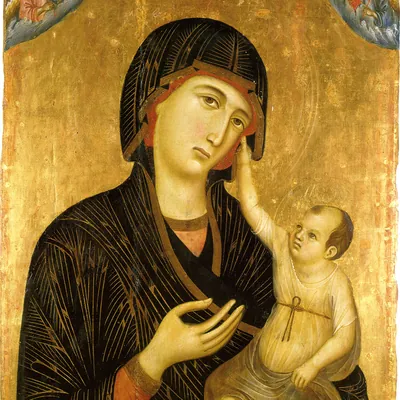 August 15
The Blessed Virgin Mary
mother of Jesus and Mother of God, honored by the Church as the first of the saints
The only creature preserved from original sin from her conception.
Frequently asked questions
What is the difference between the Immaculate Conception and the virginal conception?
The Immaculate Conception concerns Mary, preserved from original sin from her own conception. The virginal conception concerns Jesus, conceived in Mary's womb by the Holy Spirit, without a human father.
Did Mary need to be saved?
Yes. The dogma specifies that she was preserved "in view of the merits of Jesus Christ": she received salvation in advance, in the most perfect way.
Is December 8 a holy day of obligation?
It is a holy day in the universal Church, and in the United States, whose patroness is Mary under this title, it is a holy day of obligation. In France, however, it is not of obligation.