Assumption: definition
The Assumption is the dogma that the Virgin Mary, at the end of her earthly life, was taken up body and soul into heavenly glory. Proclaimed by Pope Pius XII on November 1, 1950, it is celebrated every year on August 15.
What the dogma says
On November 1, 1950, Pius XII proclaimed that "the Immaculate Mother of God, the ever Virgin Mary, having completed the course of her earthly life, was assumed body and soul into heavenly glory." It is one of the rare dogmas solemnly proclaimed by a pope alone, along with the Immaculate Conception.
The text does not settle whether Mary died before being taken up into heaven. An ancient tradition, very much alive in the East under the name of the Dormition, speaks of a peaceful falling asleep. Saint John Damascene left beautiful homilies on this mystery in the 8th century.
Why Mary?
The Assumption flows from Mary's other privileges. Preserved from sin and united with her Son throughout her life, she could not know the corruption of the tomb. She thus anticipates what the Creed promises all believers: the resurrection of the body. Christians see in her the sign of what God wants to do with each person: the whole human being saved, body and soul.
The word comes from the Latin assumere, "to take up": Mary is taken up by God. Jesus, by contrast, rises to heaven by his own power at the Ascension. The two words look alike but do not mean the same thing.
August 15 in France
The feast of the Assumption is a solemnity and a holy day of obligation, and a public holiday in France. In 1638, King Louis XIII consecrated his kingdom to the Virgin and asked that processions be held every August 15, a tradition that continues in many towns. In 1922, Pope Pius XI declared Our Lady of the Assumption the principal patroness of France, with Saint Joan of Arc as secondary patroness.
On that day, great shrines such as Lourdes welcome crowds of pilgrims. The Glorious Mysteries of the rosary also meditate on the Assumption.
Saints to know
-
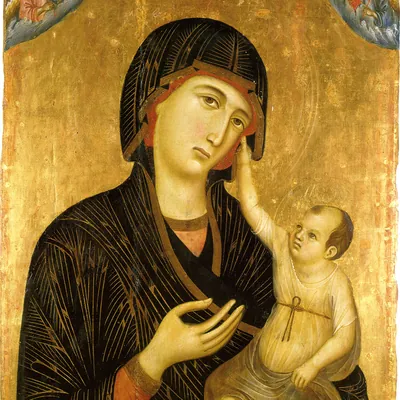 August 15
The Blessed Virgin Mary
mother of Jesus and Mother of God, honored by the Church as the first of the saints
Taken up body and soul into heaven at the end of her earthly life.
-
 December 4
Saint John Damascene
Christian monk and theologian from Damascus, defender of the holy icons and Doctor of the Church
Author of famous homilies on the Dormition of the Virgin.
-
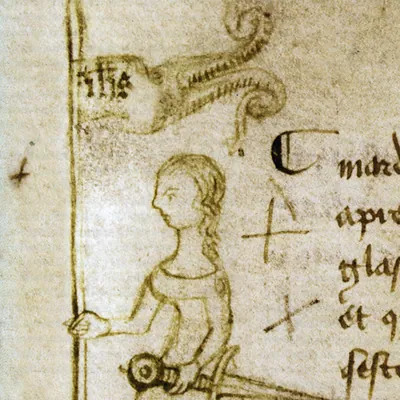 May 30
Saint Joan of Arc
peasant girl from Lorraine, military leader and martyr, secondary patron saint of France
Secondary patroness of France since 1922, alongside Our Lady of the Assumption.
Frequently asked questions
What is the difference between the Assumption and the Ascension?
At the Ascension, Jesus rises to heaven by his own power, forty days after Easter. At the Assumption, Mary is taken up into heaven by God at the end of her earthly life.
Did the Virgin Mary die?
The dogma does not say. Many theologians, and the Eastern tradition of the Dormition, hold that she experienced death like her Son before being taken up into heaven.
Is the Assumption a holy day of obligation?
Yes, it is a solemnity and a holy day of obligation in the universal Church, though some countries' bishops dispense from the obligation in certain years. It is also a public holiday in France and many other countries.