Relics: definition
Relics are the remains of the body of a saint, or objects that belonged to or touched the saint, which the Church preserves and honors. They remind us that the saints lived in a body like ours, called to resurrection.
The three classes
Traditionally, three kinds of relics are distinguished. First-class relics are the body of the saint or a part of it: a bone, hair, blood. Second-class relics are objects the saint used: a garment, a rosary, a book. Third-class relics are objects that have been touched to a first-class relic, such as a piece of cloth.
Relics are placed in a reliquary, sometimes displayed in a shrine above an altar. The tradition of placing relics of martyrs in altars goes back to the first centuries, when Mass was celebrated on their tombs.
Why venerate them?
Christians attribute no magical power to relics. Through them they honor the person of the saint and give thanks to God for what he accomplished in that saint. The Bible already reports that contact with the bones of the prophet Elisha brought a dead man back to life, and that cloths that had touched Saint Paul healed the sick.
Relics gave rise to the great pilgrimages: people go to Santiago de Compostela to the tomb of Saint James the Greater, to Padua to that of Saint Anthony, to Lisieux to the remains of Saint Thérèse.
What the Church asks
Church law absolutely forbids the sale of relics. It also requires that their authenticity be verified: a recognized relic is accompanied by a certificate sealed by Church authority. In the Middle Ages, the trade in and forgery of relics were real abuses, which the Church fought against.
Saints to know
-
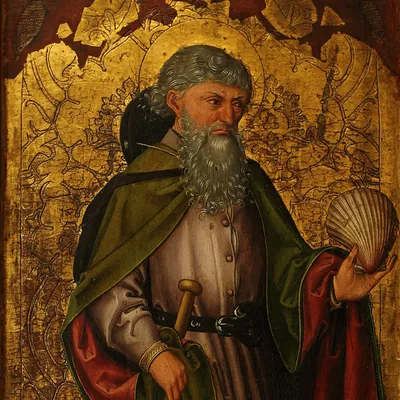 July 25
Saint James the Greater
apostle, son of Zebedee and brother of Saint John, first of the Twelve to die a martyr, venerated at Santiago de Compostela
His relics at Compostela gave rise to the most famous pilgrimage in Europe.
-
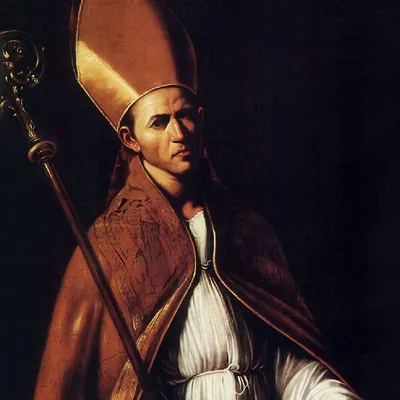 September 19
Saint Januarius (San Gennaro), Bishop and Martyr
Bishop of Benevento martyred near Pozzuoli around 305, patron saint of Naples, famous for the liquefaction of his blood
The blood of Saint Januarius, kept in Naples, liquefies several times a year.
-
 October 1
Saint Thérèse of Lisieux
Carmelite of Lisieux known as the Little Flower, Doctor of the Church and patron saint of missions, teacher of the Little Way of trust
Her relics have traveled all over the world since 1994.
-
 August 25
Saint Louis IX
King of France from 1226 to 1270, model of the Christian ruler
He had the Sainte-Chapelle built to house the Crown of Thorns.
Frequently asked questions
Can you buy a relic?
No, their sale is forbidden by canon law. Relics may be given, notably to churches, with a certificate of authenticity.
What is a third-class relic?
An object, often a small square of cloth, that has been touched to the body or a relic of a saint. Shrines sometimes give them out to pilgrims.
Do relics work miracles?
It is God who acts, at the prayer of the saint. Relics are a sign and an occasion for prayer, not an object effective in itself.
Related terms
Holiness and Veneration of the Saints: other terms
- Guardian Angel
- Apparition
- Archangel
- Attributes of the Saints
- Halo
- Beatification
- Blessed
- Canonization
- Communion of Saints
- Confessor
- Doctor of the Church
- Hagiography
- Intercession
- Martyrology
- Miracle
- Mysticism
- Patronage
- Fathers of the Church
- Postulator
- Canonization process
- Patron saint
- Servant of God
- Stigmata
- Wonderworker
- Venerable
- Heroic virtue