Confession: definition
Confession, also called the sacrament of penance and reconciliation, is the sacrament in which a Christian confesses his or her sins to a priest and receives God's forgiveness through absolution. It reconciles the sinner with God and with the Church.
A sacrament of mercy
On the evening of Easter, the risen Christ breathes on his apostles and says to them: "Receive the Holy Spirit. If you forgive the sins of any, they are forgiven." The Church sees in this the institution of the sacrament. In the first centuries, public penance was rare and severe; individual and repeated confession, which came from the Irish monks, spread across Europe from the 7th century.
The sacrament has several names, each expressing one aspect: confession, because we admit our sins; penance, because we are converted; reconciliation, because God restores the broken friendship. At the heart of it all is the mercy of the Father who welcomes the prodigal son.
How do you go to confession?
You begin with an examination of conscience to recognize your sins. In the confessional or face to face with the priest, you say how long it has been since your last confession, then confess your sins simply, naming at least all grave sins. The priest offers advice and gives a penance, a prayer or an act of reparation. The penitent expresses sorrow, for example with the Act of Contrition, and the priest gives absolution.
The priest is bound to absolute secrecy, the seal of confession: he may reveal nothing, under any pretext, even at the cost of his life. According to tradition, Saint John Nepomucene was thrown into the Vltava for refusing to betray this secret.
The great confessors
Saint John Vianney, the Curé of Ars, spent up to fifteen hours a day in the confessional, and crowds came from all over France to see him. Saint Padre Pio and Saint Leopold Mandić also devoted their priestly lives to this ministry of forgiveness.
Saints to know
-
 August 4
Saint John Vianney, the Curé of Ars
parish priest of Ars from 1818 to 1859, tireless confessor and patron saint of parish priests
Patron of parish priests, he heard confessions up to fifteen hours a day in Ars.
-
 September 23
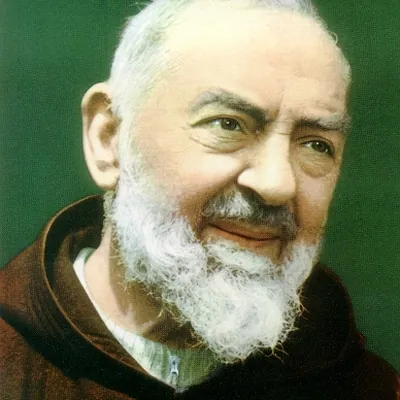
Saint Pio of Pietrelcina (Padre Pio)
Italian Capuchin priest, confessor and stigmatic of San Giovanni Rotondo
He could read hearts and heard the confessions of thousands of pilgrims at San Giovanni Rotondo.
-
 July 30
Saint Leopold Mandić
Croatian Capuchin priest, tireless confessor in Padua and apostle of Christian unity
A small Capuchin of Padua, he spent more than thirty years in the confessional.
-
 March 20
Saint John of Nepomuk
priest of Prague drowned in the Vltava in 1393, honored as a martyr of the seal of confession, patron saint of bridges
A martyr of the seal of confession, according to tradition.
-
 October 5
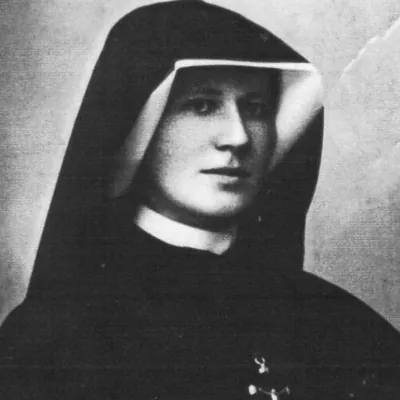
Saint Faustina Kowalska
Polish nun, messenger of Divine Mercy
She received a message centered on the mercy offered to sinners.
Frequently asked questions
How often should you go to confession?
The Church asks Catholics to confess at least once a year if they have committed a grave sin, preferably before Easter. Many of the faithful go more often, every month for example.
What is the difference between confession and absolution?
Confession is the whole sacrament, and more precisely the admission of sins. Absolution is the word of the priest who, in the name of Christ, grants forgiveness.
Can a priest refuse absolution?
Only if the penitent is not sorry for his or her sins or refuses to leave a situation of sin. It is not a punishment but an invitation to come back when ready.