Pilgrimage: definition
A pilgrimage is a journey undertaken in faith to a holy place, such as a shrine, the tomb of a saint or the Holy Land, to pray there, ask for a grace or give thanks. The road itself, often traveled on foot, is part of the prayer.
A stranger on the road
Pilgrim comes from the Latin peregrinus, a foreigner, someone crossing a land not his own. Christians know they are passing through this earth, on their way to heaven: pilgrimage makes this inner journey visible. In the Bible, Abraham leaves his homeland, and the Jews went up to Jerusalem each year singing the Psalms of Ascent.
The pilgrim leaves his habits behind, accepts fatigue and encounters, and arrives at the goal ready to receive. There one prays, goes to confession, attends Mass, and sometimes leaves an ex-voto.
The great pilgrimages
In the Middle Ages, three major pilgrimages drew all of Europe: Jerusalem and the places of Christ's life, Rome and the tombs of Saint Peter and Saint Paul, and Santiago de Compostela, in Galicia, where the tomb of Saint James the Greater is venerated. The Camino de Santiago is enjoying a spectacular revival today.
In France, Lourdes welcomes millions of pilgrims every year in the footsteps of Saint Bernadette, as do Lisieux, Ars, Paray-le-Monial and the Rue du Bac in Paris. The Chartres pilgrimage, on foot from Paris, gathers thousands of young people at Pentecost. You will find other places on our page of places of worship.
Going on pilgrimage
You can join your diocesan pilgrimage, go with your parish or walk alone. It is good to prepare an intention, take a rosary along and ask for the pilgrim's blessing before leaving. Pilgrims have their patron, Saint James, and their own patronage page.
Saints to know
-
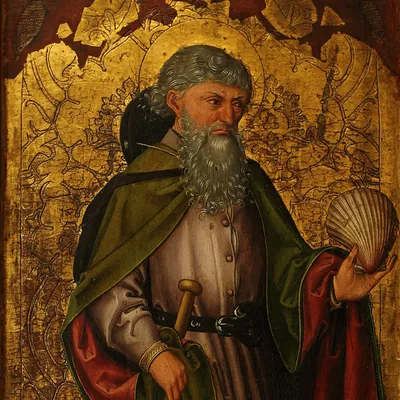 July 25
Saint James the Greater
apostle, son of Zebedee and brother of Saint John, first of the Twelve to die a martyr, venerated at Santiago de Compostela
His tomb in Compostela is the goal of one of the greatest pilgrimages in the world.
-
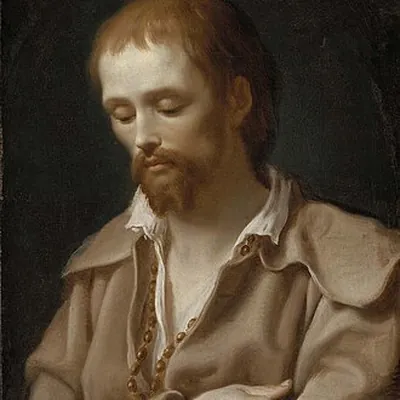 April 16
Saint Benedict Joseph Labre
French beggar pilgrim, the vagabond of God, patron saint of the homeless and pilgrims
He spent his life walking from shrine to shrine across Europe.
-
 July 31
Saint Ignatius of Loyola
Basque nobleman converted after a war wound, founder of the Society of Jesus and author of the Spiritual Exercises
He called himself "the pilgrim" and set out on foot for Jerusalem.
-
 April 16
Saint Bernadette Soubirous
visionary of the Lourdes apparitions in 1858, later a Sister of Charity of Nevers
The apparitions she received made Lourdes the leading pilgrimage site in France.
Frequently asked questions
What is the difference between a pilgrimage and a tourist trip?
The tourist visits; the pilgrim prays. A pilgrimage has a spiritual goal and gives the journey, even a comfortable one, the meaning of a step toward God.
What are the greatest Catholic pilgrimages?
Jerusalem, Rome and Santiago de Compostela are the oldest. Lourdes, Fatima, Guadalupe in Mexico and Czestochowa in Poland are among the most visited.
Can you go on a pilgrimage without being a believer?
Yes. Many walkers set out for Santiago without a definite faith, and the road sometimes becomes an encounter for them.
Related terms
Prayer and Devotions: other terms
- Acts of Faith, Hope and Charity
- Eucharistic Adoration
- Rosary
- Divine Mercy Chaplet
- Stations of the Cross
- Consecration
- Holy Water
- Examination of Conscience
- Fasting
- Lectio Divina
- Litany
- Miraculous Medal
- Mysteries of the Rosary
- Novena
- Mental Prayer
- Ejaculatory prayer
- Spiritual retreat
- Complete Rosary
- Sacred Heart
- Scapular
- Triduum