Solemnity: definition
A solemnity is the highest rank of feast in the calendar of the Catholic Church. It celebrates the great mysteries of the faith, such as Christmas or Easter, and certain major saints, such as Saint Joseph or Saints Peter and Paul.
The first of three ranks
The Roman calendar classes feast days in three ranks: solemnity, feast and memorial. The solemnity is the most important. The word comes from the Latin sollemnis, something that comes back every year and is celebrated with splendor.
A solemnity begins the evening before, with First Vespers. At Mass, the Gloria and the Creed are sung, and there are three readings, as on Sunday. If a solemnity falls on a Friday, abstinence from meat is not required that day. Churches are often more richly decorated with flowers, the bells ring out in full peal, and more precious vestments may be used, so that the whole celebration expresses the joy of the feast.
Which days are solemnities?
The solemnities of the Lord are Christmas, the Epiphany, the Annunciation, Easter, the Ascension, Pentecost, the Most Holy Trinity, the Most Holy Body and Blood of Christ or Corpus Christi, the Sacred Heart and Christ the King. For the Virgin Mary, the Church celebrates Mary, Mother of God on January 1, the Immaculate Conception on December 8 and the Assumption on August 15.
To these are added Saint Joseph on March 19, the Nativity of Saint John the Baptist on June 24, Saint Peter and Saint Paul on June 29, and All Saints on November 1. Each church also celebrates as a solemnity its titular saint and the anniversary of its dedication, and each place its principal patron.
Saints to know
-
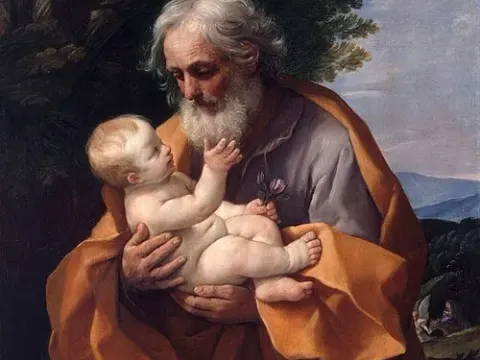 March 19
Saint Joseph
husband of the Virgin Mary, foster father of Jesus and patron of the universal Church
His solemnity on March 19 is one of the few devoted to a saint.
-
 June 24
Saint John the Baptist
prophet and forerunner of Christ, who baptized Jesus in the Jordan and died a martyr
Apart from Jesus and the Virgin Mary, he is the only one whose birth the Church celebrates.
-
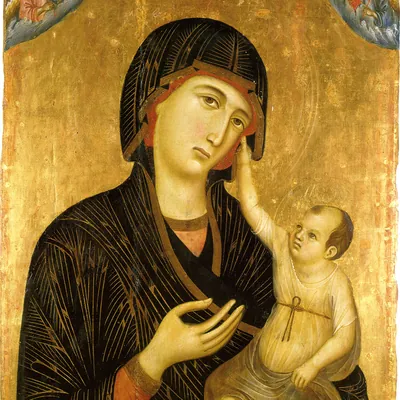 August 15
The Blessed Virgin Mary
mother of Jesus and Mother of God, honored by the Church as the first of the saints
Three solemnities are devoted to her in the universal calendar.
Frequently asked questions
What is the difference between a solemnity and a feast?
A feast is the intermediate rank: the Gloria is sung but not the Creed, and it does not begin the evening before, except for feasts of the Lord falling on a Sunday. The feasts of the apostles are an example.
Is a solemnity a holy day of obligation?
Not necessarily. Some solemnities are holy days of obligation, but the list varies by country: in France only four are, apart from Sundays, while the United States has six.
What happens if a solemnity falls on a Sunday of Lent?
It is moved, because the Sundays of Advent, Lent and Easter take precedence over it. Saint Joseph or the Annunciation are thus sometimes transferred.