Procession: definition
A procession is a religious walk, accompanied by hymns and prayers, in which the faithful move forward together behind a cross, relics, a statue or the Blessed Sacrament. It expresses that the Church is a people on the way to God.
A people on the move
The word comes from the Latin procedere, to go forward. The Bible offers many examples, such as the bringing of the Ark of the Covenant to Jerusalem, with David dancing before it. Jesus' entry into Jerusalem, acclaimed with palms, is the first Christian procession: it is repeated on Palm Sunday.
In the liturgy, small processions mark every Mass: the entrance of the priest, the presentation of the gifts, Communion. The great processions, for their part, leave the church to carry prayer into the streets.
The great processions
On Corpus Christi, the Blessed Sacrament is carried in a monstrance through the town, over carpets of flowers, with temporary altars where the procession stops for Benediction. On August 15, the feast of the Assumption, Marian processions wind through the towns and villages of France.
In Lourdes, the candlelight procession gathers thousands of pilgrims every evening, singing the Ave. In Brittany, the "pardons" lead the faithful behind the banners of their patron saint. The Holy Week processions of Spain and Italy are also famous. Processions are still held for a saint's feast, such as Saint Januarius in Naples or Saint Rosalia in Palermo.
The meaning of a procession
Walking together recalls that the Christian life is a journey, like the pilgrimage, of which the procession is a short form. It is also a public witness of faith: people leave the church to bless the neighborhood, the fields or the sea. The ancient Rogation processions, before the Ascension, asked in this way for God's blessing on the harvest.
Saints to know
-
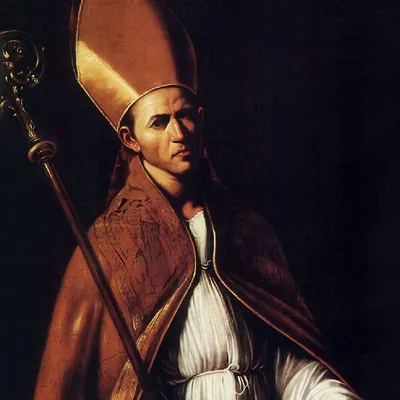 September 19
Saint Januarius (San Gennaro), Bishop and Martyr
Bishop of Benevento martyred near Pozzuoli around 305, patron saint of Naples, famous for the liquefaction of his blood
His feast in Naples is accompanied by a procession of his relics.
-
 September 4
Saint Rosalia
12th-century Sicilian hermit, patron saint of Palermo, invoked against plague
Patron saint of Palermo, she is honored every summer with a great procession.
-
 April 16
Saint Bernadette Soubirous
visionary of the Lourdes apparitions in 1858, later a Sister of Charity of Nevers
At Lourdes, the Virgin asked her that people come "in procession."
Frequently asked questions
What is the difference between a procession and a pilgrimage?
A pilgrimage is a journey to a holy place, often lasting several days. A procession is a shorter liturgical walk, around a church or through a town, usually on a single day.
When do processions take place?
Especially on Palm Sunday, Good Friday, Corpus Christi, August 15 and patronal feasts. Shrines also organize them throughout the year.
Can you take part in a procession without being Catholic?
Yes, anyone may follow a procession respectfully. It is public by nature.
Related terms
Prayer and Devotions: other terms
- Acts of Faith, Hope and Charity
- Rosary
- Divine Mercy Chaplet
- Stations of the Cross
- Consecration
- Devotion
- Holy Water
- Ex-voto
- Examination of Conscience
- Indulgence
- Fasting
- Lectio Divina
- Miraculous Medal
- Mysteries of the Rosary
- Novena
- Mental Prayer
- Ejaculatory prayer
- Spiritual retreat
- Complete Rosary
- Sacred Heart
- Scapular
- Triduum