Mass: definition
The Mass is the celebration of the Eucharist, during which Christians listen to the Word of God and make memorial of the death and resurrection of Christ, present under the appearance of the consecrated bread and wine. It is the most important prayer of the Catholic Church.
Where does the word come from?
The word comes from the Latin missa, taken from the dismissal formula that used to end the celebration: "Ite, missa est," go, you are sent. The name emphasizes that the Mass ends with a mission: those who have received Christ are sent out to live by him every day.
It goes back to the last meal of Jesus, the Last Supper, where he said: "Do this in remembrance of me." Around 150, Saint Justin was already describing the Christians' gathering "on the day of the sun": reading of the apostles and prophets, homily, common prayer, presentation of bread and wine, a great prayer of thanksgiving and Communion.
How does a Mass unfold?
The Mass has four parts. The Introductory Rites gather the assembly: entrance chant, penitential act, and the Gloria on Sundays and feast days. The Liturgy of the Word presents the Bible readings, the psalm and the Gospel, followed by the homily, the Creed and the Prayer of the Faithful.
Then comes the Liturgy of the Eucharist: the offering of bread and wine, the Eucharistic Prayer with the consecration, the Our Father, the sign of peace and Communion. The Concluding Rites end with the blessing and dismissal. A Mass generally lasts from thirty minutes on weekdays to an hour on Sundays.
Sunday and Mass intentions
The Church asks Catholics to attend Mass every Sunday and on holy days of obligation, because Sunday is the day of the Resurrection. The Mass celebrated on Saturday evening, called the vigil Mass, fulfills this obligation.
You can also ask for a Mass to be offered for a particular intention, often for a deceased person, by giving an offering to the parish. Saint Padre Pio celebrated Mass with such recollection that pilgrims came from far away to attend it.
Saints to know
-
 June 1
Saint Justin Martyr
convert philosopher, Christian apologist and martyr in Rome in the 2nd century, Father of the Church
Around 150 he left the oldest complete description of the Sunday Mass.
-
 September 23
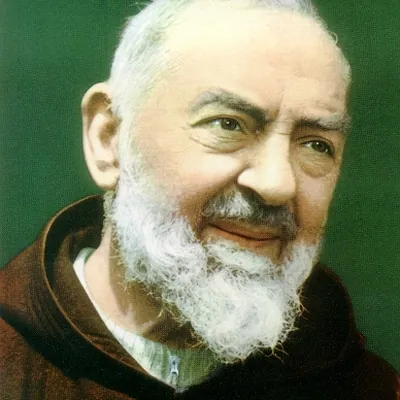
Saint Pio of Pietrelcina (Padre Pio)
Italian Capuchin priest, confessor and stigmatic of San Giovanni Rotondo
His very long and prayerful Masses drew crowds to San Giovanni Rotondo.
-
 August 15
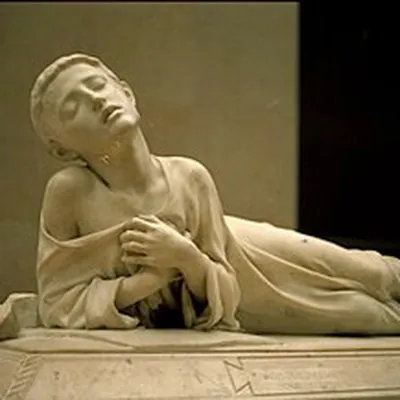
Saint Tarcisius
Roman martyr of the 3rd century who died protecting the Eucharist, patron saint of altar servers
Young Roman martyr who died carrying the Eucharist, patron saint of altar servers.
Frequently asked questions
What is the difference between the Mass and the Eucharist?
The word Mass refers to the celebration as a whole. Eucharist can refer to the same celebration, but also to the sacrament itself, that is, the Body and Blood of Christ.
Can you go to Mass without being baptized?
Yes, everyone is welcome at Mass. Only Communion is reserved to prepared Catholics; others may come forward with arms crossed over their chest to receive a blessing.
How much does it cost to have a Mass said for a deceased person?
Each diocese sets a suggested offering, which varies from country to country (in France, around 20 euros), but no one is ever refused a Mass for being unable to pay.