First Communion: definition
First Communion is the day a baptized person receives the Body of Christ in the Eucharist for the first time. For children, it generally takes place around the age of seven to nine, after preparation in religious education and a first confession.
A great step in Christian initiation
Together with baptism and confirmation, the Eucharist is one of the three sacraments that bring a person fully into the Christian life. First Communion is not a mere ceremony: it is the first time the child receives Jesus himself, present under the appearance of consecrated bread, and from then on he or she can receive him at every Mass.
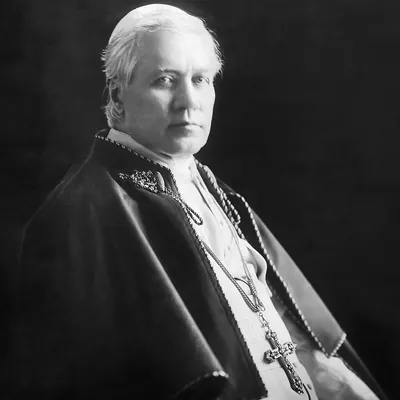
For a long time, in France and elsewhere, children made their First Communion only around the age of twelve. In 1910, Saint Pius X asked that children be allowed to receive Communion from the age of reason, around seven, when they are able to distinguish the Eucharistic bread from ordinary bread. For this he was nicknamed the pope of the Eucharist.
How do children prepare?
Preparation takes place in religious education classes or at a Catholic school, often over one or two years. The child discovers the life of Jesus, the Mass and the meaning of Communion. Beforehand, he or she receives the sacrament of reconciliation, so as to welcome Christ with a peaceful heart. Many parishes organize a short retreat a few days before.
On the day itself, often during the Easter season, children wear a white alb or white clothes that recall their baptismal garment. Families then gather for a celebration, and the child is often given a cross, a medal, a Bible or a rosary.
Memories of the saints
Saint Thérèse of Lisieux recounts in her memoirs that her First Communion, in 1884, was "a kiss of love": she felt loved and told Jesus in turn that she loved him. Saint Dominic Savio, admitted to Communion at the age of seven, made firm resolutions that day, including to prefer death to sin. Saint Tarcisius is often given as patron to children making their First Communion.
Saints to know
-
 August 21
Saint Pius X
pope from 1903 to 1914, former country priest, apostle of frequent Communion and of First Communion for children
In 1910 he allowed children to receive Communion from the age of reason.
-
 October 1
Saint Thérèse of Lisieux
Carmelite of Lisieux known as the Little Flower, Doctor of the Church and patron saint of missions, teacher of the Little Way of trust
She described her First Communion as "a kiss of love."
-
 March 9
Saint Dominic Savio
teenager from Piedmont, pupil of Don Bosco, who died at fourteen, patron saint of young people and altar servers
A pupil of Don Bosco, he made firm resolutions on the day of his First Communion.
-
 August 15
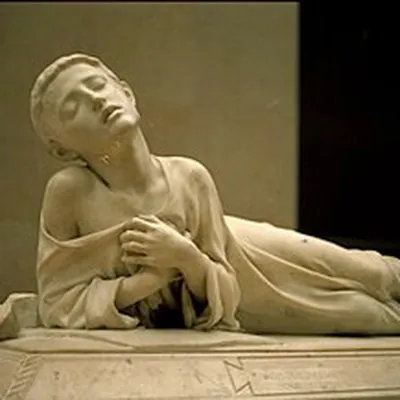
Saint Tarcisius
Roman martyr of the 3rd century who died protecting the Eucharist, patron saint of altar servers
Young martyr of the Eucharist, patron of first communicants.
Frequently asked questions
What is the difference between First Communion and the profession of faith?
First Communion is receiving the Eucharist for the first time. The profession of faith, a custom especially common in France around age twelve, is a step in which young people renew the faith of their baptism for themselves; it is not a sacrament.
Can an adult make a First Communion?
Yes. A baptized adult who has never received Communion can prepare for it in a parish; an adult asking for baptism receives it on the very day of his or her baptism.
What is a good First Communion gift?
Traditional gifts are religious: a cross, a medal, a rosary, an illustrated Bible or a prayer book, often accompanied by a more personal keepsake.