Vespers: definition
Vespers is the evening prayer of the Church, one of the two principal hours of the Liturgy of the Hours, together with Morning Prayer (Lauds). It includes a hymn, psalms, a Bible reading, the Magnificat and intercessions.
Evening prayer
The word comes from the Latin vespera, evening. Vespers is prayed at nightfall, when the lamps are lit. It gives thanks for the day that has passed and offers prayer to God "like incense," according to Psalm 141, often sung at this hour: "Let my prayer be counted as incense before you, and the lifting up of my hands as an evening sacrifice."
Vespers also recalls the evening of the Last Supper and the evening of Christ's death, offered to the Father for the salvation of the world.
How is Vespers prayed?
The office begins with "O God, come to my assistance," followed by a hymn. Then two psalms and a New Testament canticle are sung, each framed by an antiphon. After a short Bible reading and a responsory comes the summit of the office: the Magnificat, the song of praise of the Virgin Mary, sung standing and sometimes accompanied by incense.
The office ends with intercessions, the Our Father, a closing prayer and the blessing. It lasts about fifteen minutes, longer when sung.
First and Second Vespers
Sundays and solemnities begin the evening before with First Vespers; Second Vespers are those of the day itself. In the past, Sunday afternoon Vespers gathered parishioners in every church in France. Vespers is still sung in monasteries and cathedrals, and it has inspired great composers, such as Monteverdi with his Vespers of the Blessed Virgin, published in 1610.
Saints to know
-
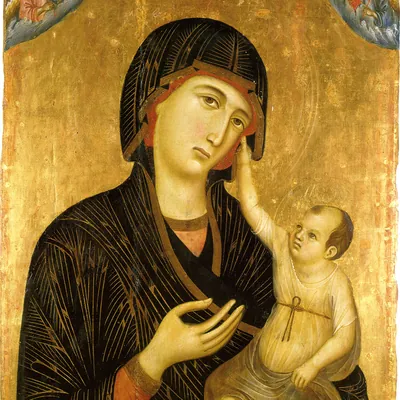 August 15
The Blessed Virgin Mary
mother of Jesus and Mother of God, honored by the Church as the first of the saints
Her Magnificat is sung every evening at the summit of Vespers.
-
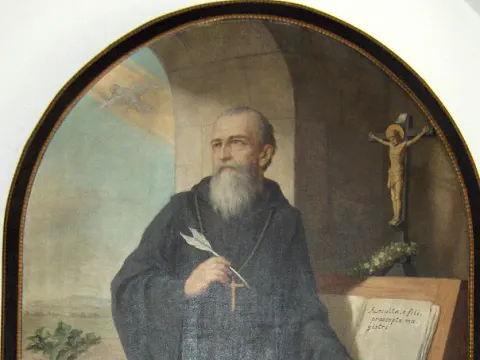 July 11
Saint Benedict of Nursia
father of Western monasticism, author of the Benedictine Rule and patron saint of Europe
His Rule sets the hour and order of Vespers for his monks.
Frequently asked questions
What time is Vespers?
In the late afternoon or early evening, usually between 5 and 7 p.m. Monasteries often sing it around 5:30 or 6 p.m.
What is the difference between Vespers and Compline?
Vespers is the evening prayer, at nightfall. Compline is the very last prayer of the day, just before going to sleep.
Can you pray Vespers alone?
Yes. It is meant to be sung in common, but you can very well pray it alone, at home, with a breviary, a booklet or an app.