Lectio Divina: definition
Lectio divina, or "divine reading," is a way of praying with the Bible: you slowly read a passage of Scripture, meditate on it, respond to it in prayer, then let it dwell in you in silence. Born among monks, it is now recommended to all the faithful.
Reading that becomes prayer
The Latin expression means "divine reading": you do not read the Bible like a history book, but as a word that God addresses today to the one who opens it. The Fathers of the Church already practiced it, and the Rule of Saint Benedict devotes several hours each day to holy reading. It has remained at the heart of the life of monks.
In the 12th century, the Carthusian Guigo II described its steps in a short treatise, The Ladder of Monks, which is still quoted. The Second Vatican Council, and then Pope Benedict XVI in 2010, encouraged all Christians to practice it.
The four steps
Reading, lectio: you read the text slowly, several times, noticing a word or a phrase. Meditation, meditatio: you ponder the passage, seeking what it says to your own life. Prayer, oratio: you respond to God, to thank him, ask his forgiveness or ask for help. Contemplation, contemplatio: you fall silent and simply remain with him.
These steps are not a rigid method. Guigo compared them to the rungs of a ladder rising from earth to heaven: you can move freely from one to another.
How to begin
Simply choose a short passage, for example the Gospel of the day, settle somewhere quiet, call on the Holy Spirit and spend fifteen to thirty minutes on these four moments. You can write down in a notebook the sentence that touched you and keep it in mind all day. Lectio divina can be practiced alone, but also in a group, each person sharing the word that spoke to them.
Saints to know
-
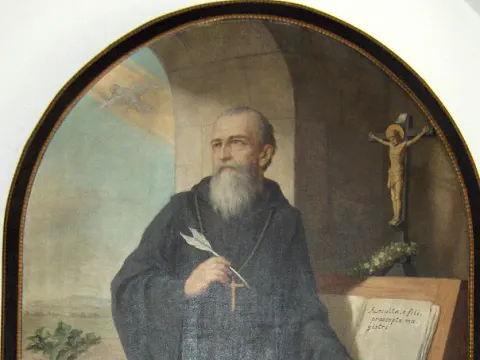 July 11
Saint Benedict of Nursia
father of Western monasticism, author of the Benedictine Rule and patron saint of Europe
His Rule sets daily hours of divine reading for monks.
-
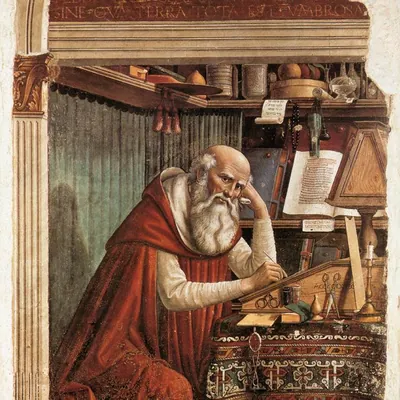 September 30
Saint Jerome
priest and monk, translator of the Bible into Latin, Father and Doctor of the Church
Translator of the Bible, he said that ignorance of Scripture is ignorance of Christ.
-
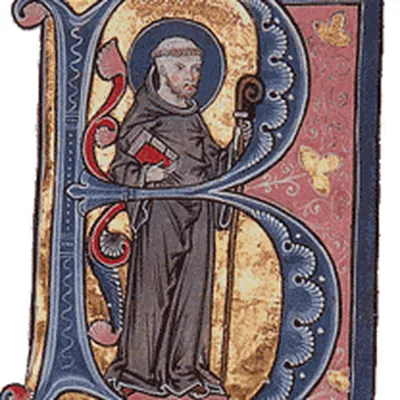 August 20
Saint Bernard of Clairvaux
Cistercian monk, founder and abbot of Clairvaux, Doctor of the Church known as the Mellifluous Doctor
His sermons on the Song of Songs are a magnificent fruit of monastic lectio.
Frequently asked questions
What is the difference between lectio divina and Bible study?
Study seeks to understand the text, its context and its meaning. Lectio divina draws on it, but aims above all at meeting God in prayer.
Which text should you choose for lectio divina?
Preferably a short biblical passage, often the Gospel of the day. The Psalms and the letters of Saint Paul also work very well.
How long does lectio divina last?
Between fifteen minutes and an hour. Regularity matters more than length.
Related terms
Prayer and Devotions: other terms
- Acts of Faith, Hope and Charity
- Eucharistic Adoration
- Blessing
- Rosary
- Divine Mercy Chaplet
- Stations of the Cross
- Consecration
- Devotion
- Holy Water
- Ex-voto
- Examination of Conscience
- Indulgence
- Fasting
- Litany
- Miraculous Medal
- Mysteries of the Rosary
- Novena
- Ejaculatory prayer
- Pilgrimage
- Procession
- Complete Rosary
- Sacred Heart
- Scapular
- Triduum