Confirmation: definition
Confirmation is the sacrament that completes the grace of baptism through a special gift of the Holy Spirit, like the one the apostles received at Pentecost. It is conferred by anointing the forehead with sacred chrism, usually by the bishop.
A personal Pentecost
On the day of Pentecost, the Holy Spirit descends on the apostles and transforms them into courageous witnesses. The Acts of the Apostles then tell how Peter and John lay hands on the newly baptized in Samaria so that they too may receive the Spirit. Confirmation continues this gesture: it unites the baptized more firmly to Christ and makes them able to bear witness to their faith.
The name comes from the Latin confirmare, to strengthen. In the Eastern Churches it is called chrismation, because the central gesture is the anointing with chrism.
How does the celebration unfold?
After the Liturgy of the Word, those being confirmed renew their baptismal promises. The bishop extends his hands over them, praying that they may receive the seven gifts of the Spirit: wisdom, understanding, counsel, fortitude, knowledge, piety and fear of the Lord. Then he traces a cross on the forehead of each with sacred chrism, saying: "Be sealed with the Gift of the Holy Spirit."
Each candidate is accompanied by a sponsor, who places a hand on his or her shoulder. The Church recommends that, if possible, this be one of the baptismal godparents.
At what age?
In the Latin Church, confirmation is in principle given around the age of reason, but each bishops' conference may set another age. In the United States, it may be conferred between the age of discretion and about age 16, depending on the diocese, and adults can ask for it at any age. In the Eastern Churches, it is given to infants, immediately after baptism.
Saints to know
-
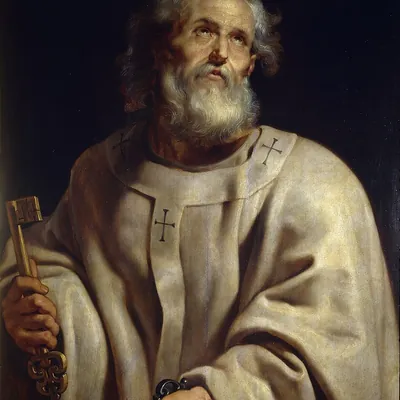 June 29
Saint Peter the Apostle
fisherman from Galilee, leader of the twelve apostles and first bishop of Rome, martyred under Nero
With Saint John, he laid hands on the baptized of Samaria so that they might receive the Holy Spirit.
-
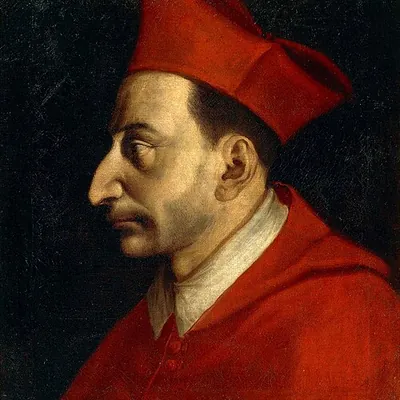 November 4
Saint Charles Borromeo
cardinal and Archbishop of Milan, great reformer of the Church after the Council of Trent, patron saint of bishops and seminarians
As archbishop of Milan, he traveled his vast diocese to confirm the faithful and visit the parishes.
Frequently asked questions
Is confirmation required?
It is not necessary for salvation as baptism is, but the Church asks every baptized person to receive it. It is also required to be a godparent or sponsor and, in principle, to be married in the Church.
Can you be confirmed as an adult?
Yes. Many adults receive it every year, often at Easter or Pentecost, after preparation in their parish.
Can a priest confirm?
Yes, if he has received permission from the bishop, and by right when he baptizes an adult or is with a person in danger of death.