Absolution: definition
Absolution is the word by which the priest, in the name of Christ, forgives the sins of a person who has confessed with true sorrow. It is the heart of the sacrament of confession: through it, God truly wipes away the sins that have been confessed.
Loosing sins
The word comes from the Latin absolvere, to loose, to set free. Jesus said to Peter and then to the apostles: "Whatever you bind on earth shall be bound in heaven, and whatever you loose on earth shall be loosed in heaven." On the evening of Easter, he gave them the power to forgive sins. Only bishops and priests, therefore, can absolve.
Absolution does not depend on the eloquence or holiness of the priest: it is Christ who forgives through him. It forgives all the sins confessed, and even those forgotten in good faith.
The words of absolution
The priest extends his hand toward the penitent and says: "God, the Father of mercies, through the death and resurrection of his Son has reconciled the world to himself and sent the Holy Spirit among us for the forgiveness of sins; through the ministry of the Church may God give you pardon and peace, and I absolve you from your sins in the name of the Father, and of the Son, and of the Holy Spirit." The penitent answers "Amen."
To receive absolution validly, one must be sorry for one's sins, firmly intend not to commit them again and accept the penance given. This is the meaning of the Act of Contrition, said before absolution.
General absolution
In cases of grave necessity, for example imminent danger of death for a large number of people, a priest may give absolution to many people at once without individual confession. Those who receive it must then confess their grave sins at the first opportunity. Outside these cases, the Church teaches that personal confession remains the ordinary way. Saint John Vianney liked to say that at the moment of absolution, God throws our sins over his shoulder.
Saints to know
-
 August 4
Saint John Vianney, the Curé of Ars
parish priest of Ars from 1818 to 1859, tireless confessor and patron saint of parish priests
He gave absolution for hours on end to the pilgrims who came to Ars.
-
 July 30
Saint Leopold Mandić
Croatian Capuchin priest, tireless confessor in Padua and apostle of Christian unity
Known for his great kindness in the confessional, he absolved with tireless mercy.
-
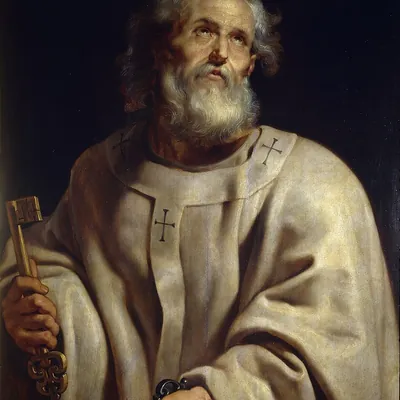 June 29
Saint Peter the Apostle
fisherman from Galilee, leader of the twelve apostles and first bishop of Rome, martyred under Nero
Christ entrusted him with the power to bind and to loose.
Frequently asked questions
What is the difference between absolution and penance?
Absolution is the forgiveness granted by the priest. Penance is the prayer or action asked of the penitent to make amends and express his or her conversion.
Can you receive absolution without going to confession?
As a rule, no. General absolution without individual confession is allowed only in cases of grave necessity.
Does absolution wipe away forgotten sins?
Yes, if they were forgotten unintentionally. If they come back to mind and are grave, you simply mention them at your next confession.