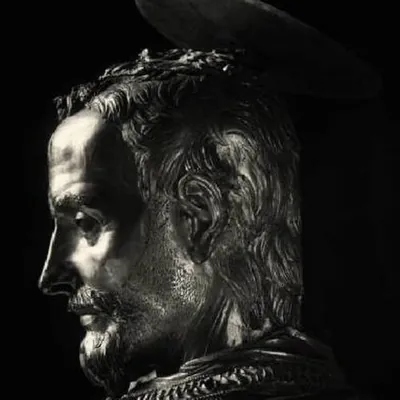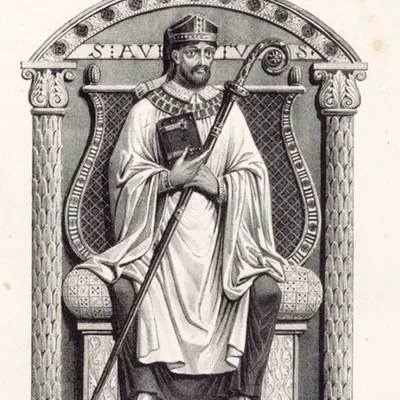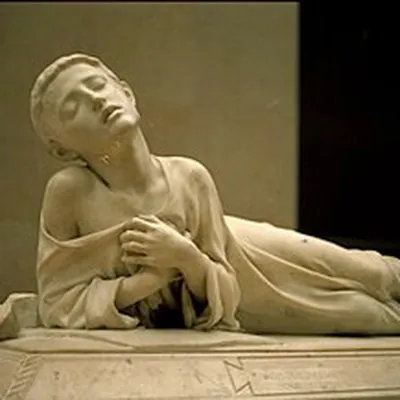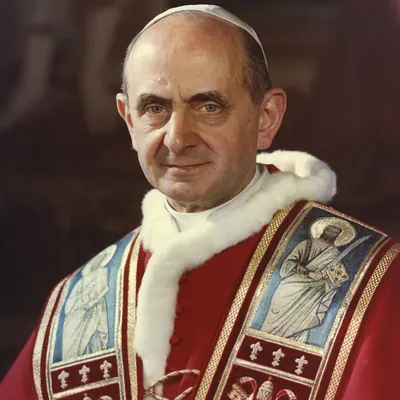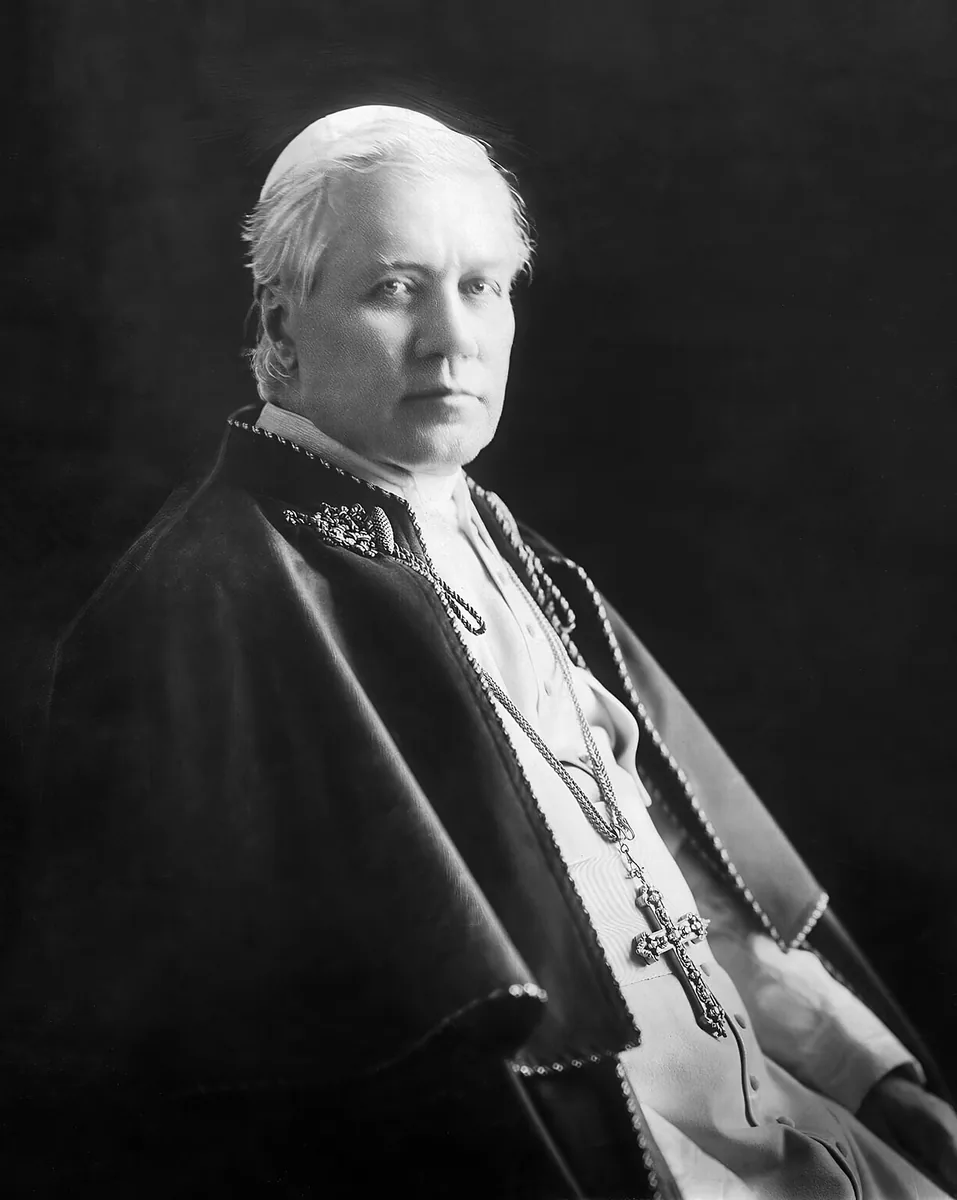
Saint Pius X, born Giuseppe Sarto in a village of the Veneto region of Italy, is the only pope of the twentieth century to have climbed every step of the ministry one by one: curate, parish priest, canon, bishop, patriarch and finally pope from 1903 to 1914. The son of a poor family, he kept the manners of a country priest on the throne of Peter. He opened wide the access to the Eucharist, allowed children to receive Communion from the age of reason, reformed sacred music and launched the codification of canon law. He died on August 20, 1914, at the start of the First World War, and is celebrated on August 21.
Who was Saint Pius X?
Giuseppe Melchiorre Sarto was born on June 2, 1835, in Riese, near Treviso, then part of the Kingdom of Lombardy-Venetia under Austrian rule. His father, Giovanni Battista, was a municipal messenger; his mother, Margherita Sanson, was a seamstress. The couple had ten children.
Noticed by the village priest, young "Bepi" walked several miles each day to attend school in Castelfranco, and then won a scholarship to the seminary of Padua. All his life he remained attached to his humble origins and to his family, whom he never made rich.

A pastor above all
For seventeen years, Father Sarto was a parish priest. In Tombolo and then in Salzano, he preached simply, taught the catechism himself to children and adults, opened a night school and visited the sick. During a cholera epidemic in Salzano, he gave himself without counting the cost to the families affected. It is said that he readily gave away whatever he had, to the point of leaving his house without provisions.
As Bishop of Mantua, a diocese then in difficulty, he revived the seminary, visited every parish and held a synod. As Patriarch of Venice, he kept the same style: close to workers and gondoliers, attentive to the poor, careful about the liturgy. When he left for the conclave of 1903, he had bought a return ticket to Venice.
A pope elected against all expectations
The conclave of August 1903 at first seemed to be heading toward Cardinal Rampolla, Secretary of State to Leo XIII. But the Emperor of Austria had a veto pronounced against him, the last in history. The votes gradually shifted to the Patriarch of Venice, who begged to be forgotten before finally accepting. He chose the name Pius in memory of the popes who had suffered for the Church. One of his first decisions was to abolish any right of veto by the powers in papal elections.
In his first encyclical, E Supremi (October 4, 1903), he gave his motto, borrowed from Saint Paul: "To restore all things in Christ." His pontificate would be marked by deep pastoral reforms, but also by hard struggles.
The Eucharist offered to the little ones
The great work of Pius X concerns Holy Communion. For centuries, many of the faithful received Communion only rarely, for fear of being unworthy, and children often waited until the age of twelve or fourteen. In 1905, the pope encouraged frequent and even daily Communion for all who are in a state of grace and have a right intention. In 1910, the decree Quam Singulari set the age of First Communion at about seven, "the age of reason." Millions of children have benefited from it. This is why he is sometimes called the "Pope of the Eucharist."
In the same spirit, he wanted clear and accessible teaching of the faith: a catechism bearing his name was published for the Diocese of Rome. He reformed the breviary, encouraged Gregorian chant and the participation of the faithful in the liturgy, and set in motion a Code of Canon Law, which his successor promulgated in 1917.
The struggles of his pontificate
Pius X confronted the French law of 1905 separating Church and State, which he condemned in 1906 in the encyclical Vehementer Nos, refusing the religious associations the law required. On the doctrinal level, he condemned Modernism in 1907, a current that tended to reduce dogma to religious experience. These measures, and the climate of suspicion that sometimes accompanied them, have drawn criticism from historians. In canonizing him, the Church honored the personal holiness of the man and the pastor.
In the summer of 1914, war broke out in Europe. The elderly pope, who had long dreaded it, was deeply affected. He died on August 20, 1914. His will begins with words that have remained famous: he was born poor, had lived poor and wished to die poor.
Why is Saint Pius X the patron saint of first communicants?
Before Pius X, children in many countries waited until their teenage years to receive Communion. By lowering the age of First Communion to about seven, he changed the life of the Church for generations of children. That is why parents, catechists and children preparing for First Communion turn to him, and why many parishes and Catholic schools in the English-speaking world bear his name. He is also invoked for catechists and parish priests.
To pray with him, read the prayer to Saint Pius X or follow the novena to Saint Pius X, from August 12 to 20, ending on the eve of his feast.
Symbols and how to recognize Saint Pius X in art
- The papal white cassock and zucchetto, with a pectoral cross.
- The chalice and Host, or children receiving Communion from his hands.
- His coat of arms, which bears his motto "Instaurare omnia in Christo."
Where to pray to Saint Pius X
- Rome: his tomb in Saint Peter's Basilica, in the Chapel of the Presentation.
- Riese Pio X (Veneto): the house where he was born, the parish church and the small Marian shrine of the Cendrole, where he loved to pray as a child.
- Salzano and Tombolo: the parishes where he served as parish priest and curate.
- Venice: Saint Mark's Basilica, seat of the patriarchs.
Discover also
- Saint John XXIII, who was also Patriarch of Venice before becoming pope.
- Saint John Vianney, the Curé of Ars, model of parish priests.
- Saint Pius V, another reforming pope, canonized for his work in the sixteenth century.
- Saint Gregory the Great, whose name remains linked to the Gregorian chant that Pius X restored to honor.
- Saint Charles Borromeo, reforming bishop and great catechist.