Confessional: definition
The confessional is the booth or small room in a church where the priest hears confessions. It usually has a grille or screen that separates the priest from the penitent, to safeguard the discretion of the sacrament of reconciliation.
An invention of the Catholic Reformation
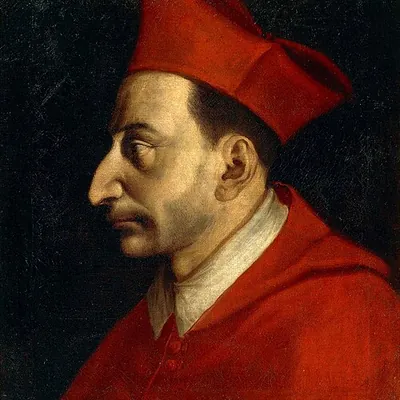
For centuries, people confessed to a priest seated on a chair in the church, without any special furniture. It was in the 16th century, after the Council of Trent, that the archbishop of Milan, Saint Charles Borromeo, made the enclosed confessional with a grille the norm: the priest in the center, the penitent kneeling at the side. This model then spread throughout the Church.
The aim is twofold: to protect the discretion of the penitent, who can remain anonymous, and to provide a dignified and transparent setting for both priest and faithful.
The saints of the confessional
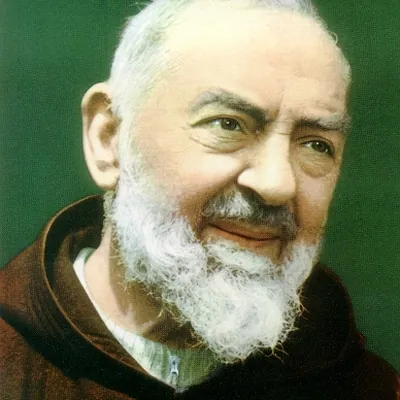
Saint John Vianney often spent more than ten hours a day in his confessional at Ars, which can still be seen at the shrine. Saint Padre Pio heard the confessions of crowds from all over Italy. Saint Leopold Mandić, a Capuchin of small stature, spent nearly thirty years in the narrow cell in Padua where he received penitents; it miraculously escaped the bombings of 1944.
And today?
Church law still requires every church to have a confessional with a fixed grille, which the faithful may use if they wish. Many parishes have also set up reconciliation rooms where one can speak face to face with the priest. Great shrines such as Lourdes or Ars offer a great many of them. To prepare well, the examination of conscience and the Act of Contrition remain the best helps.
Saints to know
-
 August 4
Saint John Vianney, the Curé of Ars
parish priest of Ars from 1818 to 1859, tireless confessor and patron saint of parish priests
The Curé of Ars, patron of priests, heard confessions for whole days.
-
 September 23
Saint Pio of Pietrelcina (Padre Pio)
Italian Capuchin priest, confessor and stigmatic of San Giovanni Rotondo
He spent long hours hearing confessions at San Giovanni Rotondo.
-
 July 30
Saint Leopold Mandić
Croatian Capuchin priest, tireless confessor in Padua and apostle of Christian unity
Confessor of Padua, he spent nearly thirty years in his tiny cell.
-
 November 4
Saint Charles Borromeo
cardinal and Archbishop of Milan, great reformer of the Church after the Council of Trent, patron saint of bishops and seminarians
He made the confessional with a grille the norm in his diocese of Milan.
Frequently asked questions
Do you have to confess behind a screen?
No, the penitent may choose to confess face to face or behind the screen; the Church guarantees that this choice is always available.
Can the priest repeat what he hears in the confessional?
Never. The seal of confession is absolute and inviolable: a priest who directly betrayed it would be excommunicated.
What is the difference between the confessional and confession?
Confession is the sacrament itself; the confessional is only the place, the booth where one can receive it.