Conclave: definition
The conclave is the assembly of elector cardinals gathered behind closed doors in the Sistine Chapel to elect a new pope. The vote is by secret ballot, and the one elected must obtain a two-thirds majority.
Locked in with a key
The word comes from the Latin cum clave, "with a key": the cardinals are locked in until they have elected the pope. The custom arose from an endless election in Viterbo: between 1268 and 1271, the see remained vacant for nearly three years, and the townspeople finally locked the cardinals in. The pope elected, Gregory X, then laid down strict rules to prevent such delays.
Another long vacancy ended in 1294 with the election of a hermit, Saint Celestine V, who resigned a few months later.
How does a conclave unfold?
Fifteen to twenty days after the death or resignation of the pope, the cardinals under 80 enter the conclave after a Mass. They invoke the Holy Spirit by singing the Veni Creator, take an oath of secrecy, and then the door of the Sistine Chapel closes at the command "Extra omnes," "Everyone out." They vote up to four times a day, placing their ballots under the gaze of Michelangelo's Last Judgment.
After each session, the ballots are burned: black smoke means that no pope has been elected, white smoke announces the election. The one elected accepts and chooses his name, and the cardinal protodeacon announces to the crowd from the loggia of Saint Peter's: "Habemus Papam," "We have a pope."
The conclave of 2025
After the death of Pope Francis on April 21, 2025, the conclave opened on May 7. The very next day, May 8, Cardinal Robert Francis Prevost, an American who also holds Peruvian citizenship, was elected and took the name Leo XIV. In choosing this name, he placed himself in the line of Leo XIII, the pope of Catholic social teaching, and of Saint Leo the Great.
Throughout the conclave, the faithful are invited to pray for the cardinals, for example with the prayer Come, Holy Spirit, so that they may discern the one whom God is calling to succeed Saint Peter.
Saints to know
-
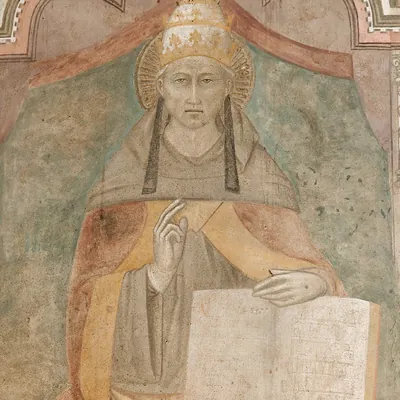 May 19
Saint Celestine V
hermit of the Abruzzo mountains elected pope in 1294, who freely resigned the papacy the same year
A hermit elected pope in 1294 after more than two years of vacancy of the see.
-
 October 22
Saint John Paul II
Karol Wojtyła, pope from 1978 to 2005, the first Polish pope in history
Elected in 1978 on the eighth ballot, the first non-Italian pope in more than four centuries.
-
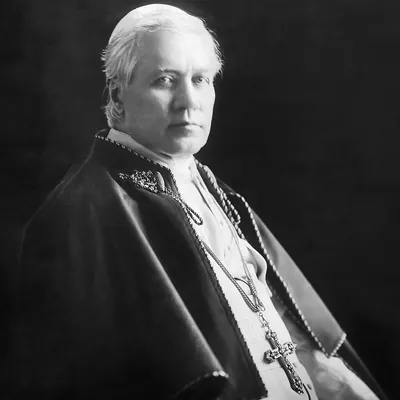 August 21
Saint Pius X
pope from 1903 to 1914, former country priest, apostle of frequent Communion and of First Communion for children
Elected in 1903, at the last conclave in which a monarch tried to impose a veto.
Frequently asked questions
How long does a conclave last?
Recent conclaves have lasted two or three days. The 2025 conclave elected Leo XIV on its second day.
Who can be elected pope?
In theory, any baptized Catholic man who is unmarried and able to receive episcopal ordination. In practice, since 1378, the pope has always been chosen from among the cardinals.
What does white smoke mean?
That a pope has been elected. The bells of Saint Peter's also ring to confirm the announcement.