Religious Congregation: definition
A religious congregation is an institute of men or women religious, approved by the Church, whose members live in community and take so-called simple religious vows. Often founded in modern times, congregations devote themselves mainly to teaching, nursing or mission.
Born to serve
In the 16th and 17th centuries, the Church imposed strict enclosure on women religious, which made direct service of the poor difficult. Founders then imagined a new kind of community, with simple vows, free to go out and teach or nurse. Saint Marguerite Bourgeoys thus founded in Montreal a congregation of uncloistered teaching sisters.
The 19th century was the golden age of congregations in France: hundreds were founded after the Revolution to reopen schools, hospitals and orphanages. Saint Madeleine Sophie Barat founded the Society of the Sacred Heart for the education of girls, Saint Marcellin Champagnat the Marist Brothers, and Saint Jeanne Jugan the Little Sisters of the Poor.
Fully consecrated life
The difference from a religious order is mainly historical and legal. The 1983 Code of Canon Law groups orders and congregations together as religious institutes: all have the same vows of poverty, chastity and obedience, and their members are fully religious.
The word has other meanings that should not be confused: a monastic congregation groups several Benedictine abbeys, and the "Roman congregations" were, until 2022, offices of the Curia, now called dicasteries.
Saints to know
-
 April 7
Saint John Baptist de La Salle
priest from Reims, founder of the Brothers of the Christian Schools, patron saint of teachers
Founder of the Brothers of the Christian Schools, a congregation of consecrated laymen devoted to teaching.
-
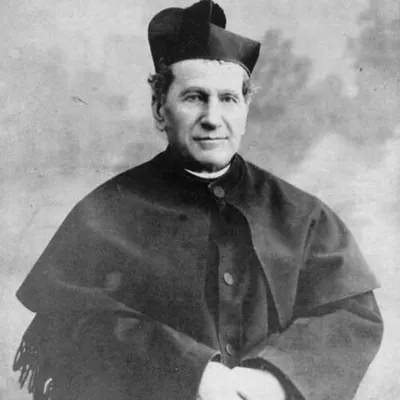 January 31
Saint John Bosco
priest of Turin, educator of poor boys and founder of the Salesians, patron saint of young people
Founder of the Salesians, at the service of young people.
-
 May 25
Saint Madeleine Sophie Barat
French religious sister, foundress of the Society of the Sacred Heart of Jesus, devoted to the education of girls
Foundress of the Society of the Sacred Heart.
-
 June 6
Saint Marcellin Champagnat
French priest, founder of the Little Brothers of Mary, or Marist Brothers of the Schools, devoted to the Christian education of children
Founder of the Marist Brothers in 1817.
-
 January 12
Saint Marguerite Bourgeoys
first schoolteacher of Montreal and founder of the Congregation of Notre Dame, a community of uncloistered sisters
Foundress of the Congregation of Notre-Dame of Montreal.
Frequently asked questions
What is the difference between an order and a religious congregation?
Traditionally, orders have solemn vows and an ancient history, congregations simple vows and a more recent foundation. Current law hardly distinguishes them anymore.
What is the largest religious congregation?
Among men, the Salesians of Saint John Bosco, founded in 1859, are among the most numerous in the world.
Can you join a congregation at any age?
Each congregation sets its own age limits. Many now welcome later vocations, after studies or a first career.