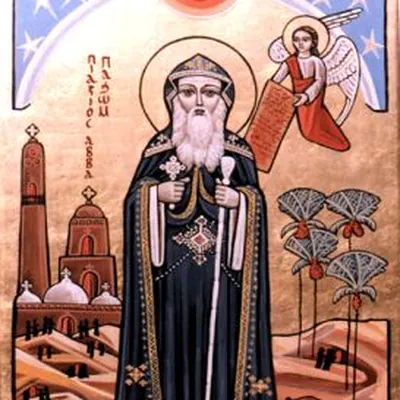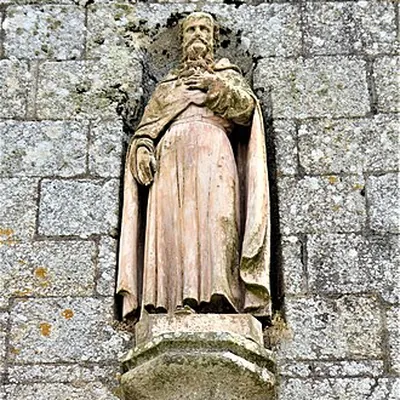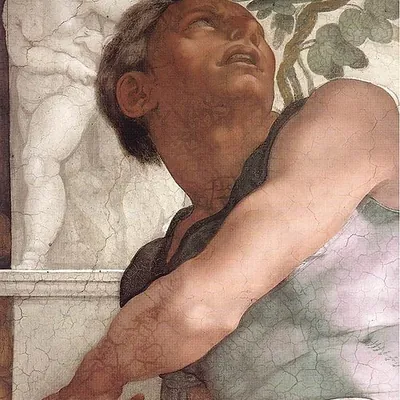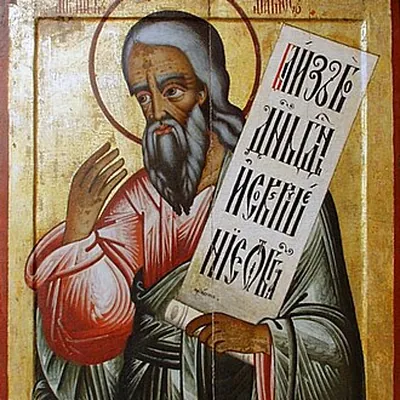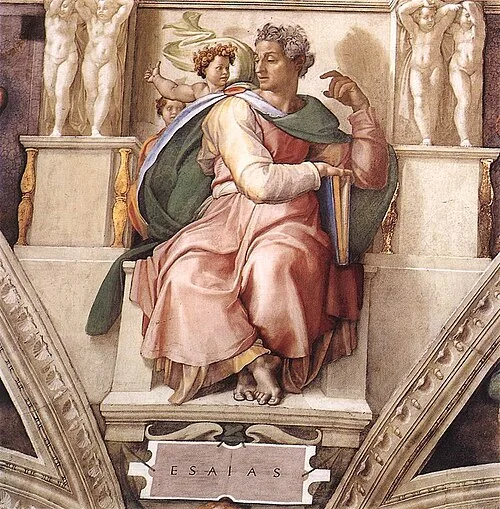
Isaiah is the greatest of the prophets of Israel. In the eighth century BC, in Jerusalem, he received his call in a vision of God's holiness and answered: "Here I am, send me." For forty years he counseled the kings of Judah and called the people to trust in God. His book announces the birth of Emmanuel, the reign of the Messiah, the suffering of the Servant and the consolation of the people. Christians sometimes call him "the fifth evangelist." The Roman Martyrology commemorates him on May 9.
Who was the prophet Isaiah?
Isaiah, son of Amoz, lived in Jerusalem under Kings Uzziah, Jotham, Ahaz and Hezekiah, roughly between 740 and 700 BC. Married, the father of two sons with symbolic names, he moved in court circles and spoke with great poetic power. His name means "the Lord saves." The book of Isaiah has sixty-six chapters; scholars think chapters 40 to 66 were written later by his disciples, during and after the exile in Babylon, in the line of his message.
"Holy, holy, holy"
"In the year King Uzziah died, I saw the Lord seated on a high and lofty throne" (Isaiah 6:1). Seraphim stood above him and cried: "Holy, holy, holy is the Lord of hosts! All the earth is filled with his glory!" Isaiah felt lost: "I am a man of unclean lips." A seraph touched his lips with a burning coal taken from the altar: his guilt was removed. God asked: "Whom shall I send?" Isaiah answered: "Here I am, send me!" This song of the seraphim is sung at every Mass in the Sanctus.
Emmanuel and the Messiah
When King Ahaz, threatened by his neighbors, chose an alliance with Assyria rather than trust in God, Isaiah announced a sign: "The young woman, pregnant, will bear a son and name him Emmanuel," that is, "God with us" (Isaiah 7:14). Saint Matthew reads this verse as announcing the virgin birth of Jesus. Isaiah also proclaimed: "The people who walked in darkness have seen a great light... For a child is born to us, a son is given to us" (Isaiah 9:1-5), and a shoot that would sprout from the stump of Jesse, on whom the Spirit of the Lord would rest (Isaiah 11). These texts are read at Christmas and during Advent.
The Suffering Servant
The second part of the book contains the four "Servant Songs." The last describes a despised man, "a man of suffering," who bears the sins of others: "It was our pain that he bore... By his wounds we were healed" (Isaiah 53:4-5). He is led like a lamb to the slaughter, without opening his mouth. The first Christians recognized in it the Passion of Christ; this song is read every Good Friday.
"Comfort my people"
To the exiles in Babylon, the book of Isaiah speaks a message of consolation: "Comfort, give comfort to my people, says your God" (Isaiah 40:1). "A voice proclaims: In the desert prepare the way of the Lord": the Gospels apply these words to John the Baptist. God speaks there with a mother's tenderness: "Can a mother forget her infant? Even should she forget, I will never forget you" (Isaiah 49:15). In the synagogue at Nazareth, Jesus opened the book of Isaiah and read: "The Spirit of the Lord is upon me... He has sent me to bring glad tidings to the poor" (Isaiah 61:1; Luke 4:18).

Why do Catholics honor the prophet Isaiah?
Isaiah is the prophet of God's holiness and of trust: "Unless your faith is firm, you shall not be firm" (Isaiah 7:9). He is also the prophet of waiting, read by the Church all through Advent. Christians pray with him to answer God's call, to await the Savior, for peace ("they shall beat their swords into plowshares") and for comfort in trials.
To pray with him, read the prayer to the prophet Isaiah, or follow the novena to the prophet Isaiah, from April 30 to May 8 or during Advent.
Discover also
- Saint John the Baptist, "the voice crying in the desert" announced by Isaiah.
- The Blessed Virgin Mary, mother of Emmanuel.
- King David, whose descendant Isaiah announced, "a shoot from the stump of Jesse."
- The prophet Ezekiel, another great prophet of hope.